Most people move through their routine without noticing how small choices affect their joints. Repeated patterns create a quiet tension that builds across the day. When these patterns continue long enough, Joint Pain becomes a familiar presence rather than a temporary setback. Many individuals only realise the influence of their daily habits once the discomfort begins to interfere with work, chores or leisure. This article explores how simple actions can influence Joint Pain, why these habits matter more than most expect and how to shift those patterns in practical ways.
Instead of viewing discomfort as a random occurrence, it helps to think of the joints as responsive structures. They react to posture, movement style, rest, footwear, stress and workload. The more aware you become of these influences, the easier it becomes to spot moments that unnecessarily increase Joint Pain.
What Sets the Stage for Joint Strain
Joint function depends on balance, consistent movement and steady circulation through the surrounding tissues. When daily routines drift out of alignment, small stresses start building. Over time, these stresses can add up and create a pattern many people recognise as Joint Pain. Even when this issue feels mild at first, repeated habits can strengthen the discomfort until it becomes part of your routine. For residents in Pickering, this often raises questions about why certain motions feel tight or why soreness lingers after simple tasks.
This article highlights how subtle behaviours across the day influence Joint Pain and what you can do to adjust those habits. By spotting patterns early, you put yourself in a better position to manage discomfort and avoid letting it take control of your schedule.
Why Daily Choices Matter
The body responds to load in predictable ways. If the same pressure points get used repeatedly, the joints start adapting by tightening or shifting, which can increase Joint Pain. Habits that seem harmless, like leaning on one hip or sitting slightly twisted, can alter the way the joints absorb force. These patterns often go unnoticed until the joints begin to react strongly. That reaction frequently appears as Joint Pain, stiffness or a sense of heaviness during movement.
Small changes can encourage motion, while other habits restrict it. The key is figuring out which patterns help you and which ones add extra strain. Below are seven habits that influence joint function from morning to night.
How Daily Habits Influence Your Joints
1. Extended sitting with minimal breaks
Long hours at a desk, in a vehicle or on the couch slow circulation through the hips, knees and spine. When joints stay still for too long, tissues tighten and create more Joint Pain once you stand or move again. Building short breaks into your day makes a noticeable difference. Standing and walking for even one minute every hour resets the joints and keeps stiffness from setting in.
2. Posture that shifts the load to the same spots
Leaning forward while typing, locking your knees when standing or rounding your back with groceries all force specific joints to take extra weight. Over time, this creates tension that can lead to Joint Pain. A quick posture check now and then distributes the load more evenly and helps reduce unnecessary strain before it becomes a larger pattern.
3. Carrying weight the same way every time
It is common to place handbags, backpacks, tool kits or shopping bags on the same shoulder or in the same hand. This uneven loading pulls the spine and hips out of alignment, which can lead to Joint Pain. Switching sides, using both hands or selecting bags with wider straps helps reduce the stress on any single joint.
4. Ignoring early signals during workouts
Physical activity supports joint health, but continuing to push through discomfort during exercise can make Joint Pain more noticeable. Many people keep going with the hope that the sensation will fade. Instead, pausing for a moment and adjusting the movement pattern keeps the joints from absorbing extra strain. Small changes in tempo or range of motion often help the body adapt more smoothly.
5. Wearing worn-out shoes
Footwear has a direct impact on joint load. Shoes with thinning soles or uneven wear shift pressure into the knees, hips and lower back. This often shows up as Joint Pain when walking, climbing stairs or completing household tasks. Checking the shape and support of your shoes every few months can help prevent unnecessary joint stress.
6. Repetitive motions during chores
Daily tasks such as vacuuming, sweeping, gardening and scrubbing involve repeated motions. Twisting or bending the same way every time creates a pattern that contributes to Joint Pain. Splitting tasks into shorter sessions, switching hands, or adjusting your stance helps limit the stress your joints absorb throughout the day.
7. Trying to manage Joint Pain alone
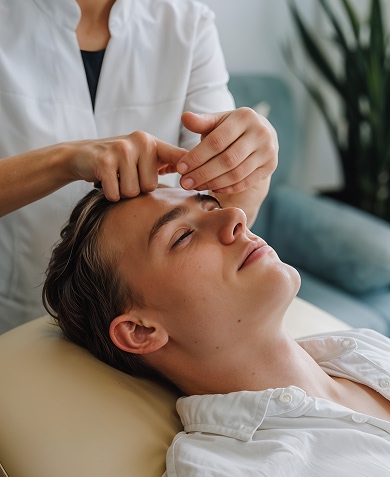
Many people try to handle their symptoms with stretching, heat or rest. While these methods may help at times, recurring Joint Pain often signals a deeper pattern. This is where our clinic plays a meaningful role. A physiotherapist watches how you move, identifies imbalances that contribute to Joint Pain and builds a plan that fits your day-to-day routine. Instead of relying on guesswork, you gain steps that match your actual movement patterns.
What Support Looks Like in a Clinic Setting
When you begin care at our clinic, the first priority is mapping how your joints behave during walking, standing and bending. Many people feel more clear-headed once they understand why certain motions trigger Joint Pain. With careful observation, the clinician helps you adjust small, everyday habits so your joints can handle tasks more comfortably. The process focuses on practical strategies that connect directly to your routine.
If you live in Pickering and want a place that considers how you move, our clinic can guide you toward steps that support your comfort throughout the day. When you are ready for structured in-person care, you can book a visit with Vitality Spine & Rehab, where your plan focuses on steady progress while addressing Joint Pain through practical support and clear steps.

Opening Hours
Monday - Friday (8am to 5pm)
Sunday - Closed
 +1 905-588-1191